
The changing of the clocks has taken its toll on my sleep this Fall. After long evenings bathed in artificial light, I've been feeling more wired than tired at bedtime. But thanks to one surprising gadget, lately I've been more consistent with my bedtime – and that's a good thing as studies link sleep consistency with better life expectancy.
Now that I’m prioritising a consistent sleep routine, I’m also waking up less through the night. So what is this surprising gadget? A red light face mask. Were you expecting something different? Mask aside, red light is said to accentuate the production of sleep hormones.
However, sceptical that I’ve been lulling myself to sleep with nothing more than a placebo effect, I called on double-boarded sleep medicine specialist Dr. Chris Winter to ask whether the science around red lights sleep benefits checks out. Here's what he said...
The gadget helping me stick to a regular bedtime
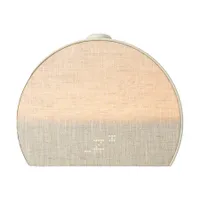
Due to my job, I have a collection of gadgets to reach for when it comes to bedtime – the Ozlo Sleepbuds, Hatch Sleep Clock and the Oura Ring 5 included.
But one that's really surprised me lately is the Bob and Brad PhysioFace Light Therapy Mask, available for $169.99 (was $199.99) at Amazon.
I've been using the mask, chiefly marketed for skincare purposes, as part of my bedtime routine and it's helped me put down my phone and get to sleep on time.


As much as I love my Hatch clock, I don't love that I have to use my phone to alter settings. That's the beauty of this red light mask – it’s independent from my phone (there's no app to download) with control buttons attached to the device itself.
That means I am actually making my bedroom a phone-free space and instead focusing on winding down for a great night's sleep.
It's hard to quantify exactly how well the red light mask is improving my sleep quality. But one thing is for sure: by the time I remove the mask, I feel sleepy and it never takes me long to dose off into a deep sleep.
According to my Garmin sleep timeline, I've reached deep sleep within half hour of dropping off, and continue to cycle through healthy sleep stages.

But what does Dr. Winter think? "It’s possible that taking a quiet break for your skincare routine is helping you unwind, particularly if it replaces scrolling or other stimulating activities.
"But feeling that you’re sleeping better doesn’t tell us whether the benefit is coming from the light itself, the routine, or something else.
"I would view it as a potentially relaxing part of your routine — not a proven sleep treatment," the board-certified neurologist cautions.
How to use a red light face mask for better sleep
White and blue light from screens is bad news for sleep. But as the nights draw in, a lot of our evenings are powered by these types of light. This winter, I’ve been making a conscious effort to swap my overhead light for the sundown setting on my Hatch Sleep Clock. I've also been swapping doomscrolling with reading time while wearing my red light mask.
20 minutes prior to bedtime – after writing my do-to list for the following day and shutting off my phone for the night – I pop the mask on in bed and start reading a book. The 10-minute timer on the mask ensures I read for at least 10 minutes before drifting off.
The mask has three light modes with different colored lights. I've been using the BOOST mode that combines red light and near-infrared light. As well as supposedly boosting skin health, red light is associated with relaxation and there is some science associating it with improved sleep quality.

Although evidence is limited, research by Chinese scientists published in the National Library of Medicine, suggests red light influences melatonin secretion, improving sleep initiation.
Dr. Winter also referred to a 2026 review of five randomized trials that found a modest improvement in self-reported sleep quality when red light was introduced. "But the authors emphasized that the evidence was limited and imprecise," he notes.
Additionally, red light face masks, like my Bob and Brad model, are built to increase collagen production. They do this by penetrating the skin with red light, which stimulates the cells responsible for collagen synthesis. Besides improving skin elasticity, collagen can also improve sleep. A 2024 study concluded that increasing collagen at bedtime reduces sleep fragmentation.
Placebo or not, the mask has helped me prioritise a consistent bedtime routine over the past two weeks, and sleep better than I was immediately after the clock change.
The importance of a nighttime routine

I’ve been writing about sleep for over two years, and one thing I’ve learnt is that your sleep routine must be personal. A gadget or habit that works for someone else may not work for you.
If you’re struggling to sleep, you may need to try a few different methods or technologies before you hit on one that clicks. But one piece of advice sleep experts all agree on is that you need a relaxing prelude to sleep if you want to clock quality ZZZs.
A nighttime routine involves practising the same sequence of activities in the run up to your bedtime, helping prepare both your brain and body for sleep. In time, and with consistency, your body clock will come to recognise this routine as a signal to sleep, helping you drift off easily.

Dr. Winter explains: "A bedtime routine creates a predictable opportunity to step away from work, screens and other stimulating activities, rather than expecting your brain to switch off the moment your head hits the pillow. Pairing that wind-down period with a consistent sleep schedule and lower lighting helps support your body’s sleep-wake rhythm."
This routine should be "simple, enjoyable and easy to repeat" and can include activity you find relaxing, be that a dark shower, mediation, reading, stretching or simply listening to calm music.
"You don’t need an elaborate checklist or expensive equipment—the goal is to wind down, not give yourself another assignment," advises the host of the Sleep Unplugged podcast.
"Think of the routine as making room for sleep, not forcing it to happen."
3 products for creating a strong nighttime routine