


Type: Smart band
Subscription: Google Health Premium (optional, $9.99/mo)
24/7 tracking gives you a more holistic picture into how your sleep habits affect your energy levels throughout the day. Google's Health app provides a more in-depth look at your sleep compared to the Hatch Sleep Clock, but it doesn't compete with analysis dished out by the Withings.

Type: Contactless mat
Subscription: Withings+ (optional, $9.95/mo)
If you want lab-grade sleep tracking to troubleshoot what might be waking you up through the night, or stopping you from falling asleep, the Withings is your best option. The sleep tracking and analysis is excellent, with the snore tracking feature especially good for spotting potential sleep apnea.

Type: Smart sunrise alarm clock
Subscription: Hatch+ (optional, $5.99/mo)
A great beginner's sleep tracker that focuses on the basics only: time spent asleep, and clear analysis of each sleep cycle. Even better, the Hatch Sleep Clock is a fantastic sunrise alarm clock and white noise machine in one, helping you to fall asleep fast at night and wake up energized each morning.
Fitbit Air vs Withings Sleep Analyzer vs Hatch Sleep Clock: At a glance
The past few nights I've gone to bed loaded with sleep tech. I've had the Fitbit Air on my wrist, the Withings Sleep Analyzer tucked beneath my mattress, and the Hatch Sleep Clock on my nightstand. Three of the best sleep trackers we've tested have been dutifully recording every minute of my sleep.
Between them, the Fitbit, Withings and Hatch offer sleep tracking for every person. Whether you're a health aficionado looking to improve your wellbeing or a sleep tracking newbie ready to learn but wary of data overload.
I know exactly what you're getting from each of these top rated sleep trackers and in this guide, I'll help you decide which is right for you. I also know the deals to look out for in the Black Friday sleep and mattress sales. Here's how to track, save and sleep better...
Prices and Black Friday deals
- Fitbit Air is a competitively priced smartband that starts at $99.99
- Withings ($199.99) and Hatch ($249.99) are pricier but have fewer competitors
- All three come with optional subscriptions
With prices starting at $99.99 from Amazon, the Fitbit Air is well-priced and the cheapest of the bunch. The Withings Sleep Analyzer is nearly double the price at $199.99 on Amazon but it's also a fairly unique piece of tech — you'll struggle to find something similar for less.
At $249.99 on Amazon, the Hatch Sleep Clock is the most expensive of the three. That's $80 more than a Hatch sunrise alarm without the tracking.
All options come with sleep tracking data as standard, but subscription upgrades are available. Fitbit and Withings subscriptions deliver AI-powered insights and advice ($9.99/mo and $9.95/mo respectively). Hatch+ gains you access to the Hatch audio library, for $5.99/mo.
With the Black Friday sales underway I'm keeping an eye out for deals on all three sleep trackers. Based on recent sales, I have high hopes for discounts from Withings and Hatch, but I'm less convinced we'll see a deal from Fitbit.
Design
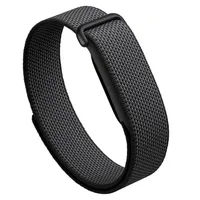
- Fitbit Air is a wristband wearable with a pebble tracker
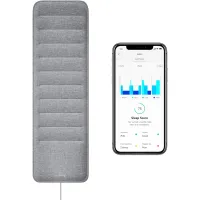
- Withings Sleep Mat is contactless and sits beneath your mattress
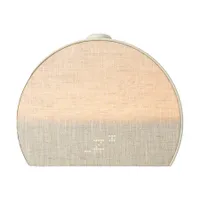
- Hatch Sleep Clock tracks from your nightstand
Design highly influences the user case for all three sleep trackers, so think carefully about which works best for your needs.
The Fitbit Air is a screenless smart band. It sits on your wrist and features a slim pebble tracker integrated into a band. It's not the most fashion-forward smartwatch but it's subtle. The Fitbit Air works best when worn 24/7.




Both the Withings Sleep Analyzer and Hatch Sleep Clock are contactless trackers. The Sleep Analyzer is a mat fitted with sensors that slips under your mattress and connects to a power outlet. It's a tracker you can set and forget.
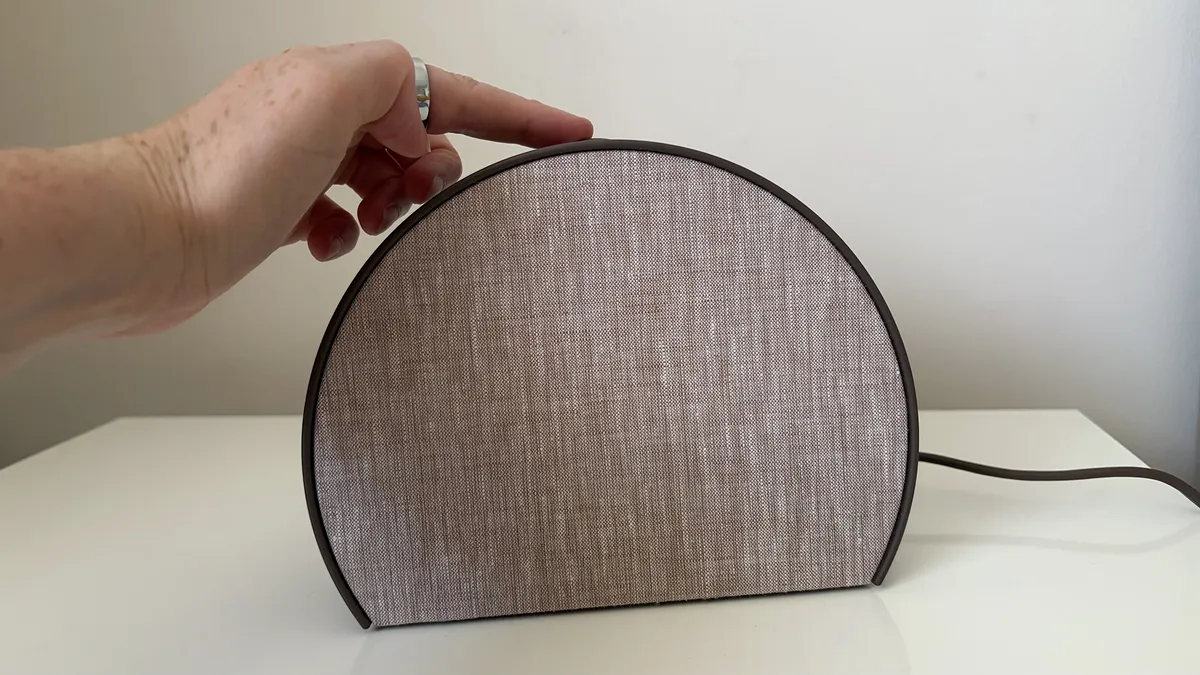
Hatch's Sleep Clock sits on your nightstand and the attractive casing will suit most decors. Like the Withings, it stays plugged in and you can mostly leave it be. Unless you bump it out of position every morning as you turn off the alarm (not that I'm speaking from experience).
Sleep tracking
- Fitbit delivers insight into sleep stages but misses hygiene insights
- Withings collects the most data, with gaps in its understanding
- Hatch has the least information but is good for overviews
Fitbit, Withings and Hatch sleep trackers all break your rest down into stages (light, deep sleep, and REM sleep) and they all track your latency and wake up time. In other words, they all provide the basics.
But they go about it in slightly different ways. All of them measure big movements, like tossing and turning, while the Hatch captures the micro movements of your breathing and the Fitbit tracks heart rate. The Withings gathers both heart rate and breath rate.
Looking at one night's sleep, you can see a lot of overlap in my data. All three trackers captured me falling asleep and quickly entering deeper sleep, before cycling through the sleep stages for the rest of the night. They also all spot a noticeable interruption in the early hours.

Based on my recollections, Withings overestimates my sleep time. I can pinpoint the problem. That sudden burst of REM sleep around 7.30 a.m.? That's me scrolling through my phone. It's a problem I've experienced before with Withings, while Fitbit and Hatch accurately assess I was awake.
However, Fitbit has its own problem. Both Withings and Hatch captured that once I'd gotten into bed, I fidgeted, scrolled and listened to music before settling down to sleep. While I wouldn't consider that time period actively trying to sleep, 'revenge bedtime procrastination' is an important part of my sleep hygiene that Fitbit overlooks.
Where Hatch lags behind is data collection. It shows you how much time you spent in bed and when each stage occurred but there's no further detail. There's not even a sleep score, although Hatch does offer positive feedback.

The Withings comes out on top when it comes to sheer data. You get hours in bed, movement, respiratory rate, heart rate and HRV. It also has snore detection — a helpful stage in identifying sleep apnea.
Fitbit delivers your sleeping heart rate, but it's a bit of a buried metric. What Fitbit excels at is putting your sleep into context. It compares your nightly averages to help you identify sleep trends.
Overall, all three trackers deliver data that largely collates with my recollection of the night. Withings wins for in-depth data but can struggle to differentiate a 'lazy morning' from 'oversleeping'. Fitbit offers accuracy and easy-to-read data but can overlook the bigger sleep hygiene picture. And Hatch keeps things accessible and simple — perhaps too simple, for some.
Features
- Fitbit Air is 24/7 tracking, including step count and workouts
- Hatch offers a sunrise alarm clock function and white noise
- Withings keeps it simple but is the most convenient
It's not just about the tracking. Having used all three sleep trackers for several months, here's everything you need to know:
Comfort
The Fitbit Air is the least comfortable of the three to sleep in. (Although for a smart band, it's pretty comfy.)
I've woken up to smartwatch skin rash more than once. And despite its thin build, I advise side sleepers to wear it on the arm they don't lie on.

But if comfort is top priority, the contactless Withings and Hatch trackers win hands-down. Siting on your nightstand, the Hatch Sleep Clock doesn't impact comfort at all. And the Withings Sleep Mat is a princess and the pea scenario — if you can feel it under the bed, I suggest investing in a thicker mattress.
App
From a purely aesthetic level, the Hatch Sleep App is my winner. The pastel colors and refined design echo Hatch's build. I'm a big fan of the 'rainbow' shaped sleep tracking, which makes even 3 a.m. wakeups look pleasant.
However, one of the reasons the Hatch app is so appealing is the lack of data. With less to show than Fitbit and Withings, the display is clearer.


Fitbit connects to the Google Health App. A dedicated 'sleep' tab displays all the info you need, including a break down of your night. It's ideal for digging down into sleep stages with easy to read graphics displays are easy to read.
In the Withings app, sleep is displayed in a similar way. However, Withings adds more physiological data, including heat rate and breathing. This snapshot is better at providing deep insight into your overall nighttime health.
Battery life
Again, the Withings and Hatch have a strong advantage. Both contactless devices are plugged in 24/7. There's no need to charge, so you won't miss out on data due to a dead battery.
The Fitbit Air can last as long as 7 days on a single charge, but let the battery run too low and you'll get some blanks in your data. However, the advantage here is that the Fitbit Air tracks on the go. A must for the frequent traveler.
Extras
The Withings Sleep Analyzer only tracks your sleep, although Withings users can connect to other smart home devices. (Mine links to my Withings ScanWatch 2, so my sleep and activity are collated in one app.)
As one of the best fitness trackers we've tested, the Fitbit Air monitors activity throughout the day. It's the best option for providing an all-round view of your health. It also has a built-in smart alarm which vibrates when it detects light sleep (within a set window). I was skeptical wrist vibrations would be enough to wake me but I can attest it's a gentle and effective start to the day.

And the Sleep Clock by Hatch doubles up as a sunrise alarm clock (plus a white noise machine). You set an alarm and the Hatch slowly floods the room with light in the preceding period. This provides the serotonin and cortisol boost of sunshine, even on a dark morning.
Fitbit Air vs Withings Sleep Analyzer vs Hatch Sleep Clock: Which should you buy?
The Fitbit Air is the only option that tracks 24/7. If you want to know how your sleep interacts with your fitness and recovery, this is the way to go. Google's Health app also does an excellent job at displaying how you spent every second of your night and comparing it to your overall patterns.
But if you want a sleep tracker you can forget about, the Withings Sleep Mat is ideal. Snore tracking is also a good way to identify sleep disruptions and spot potential sleep apnea. The Sleep Analyzer collects and displays more data than the Fitbit or Hatch too, including HRV and breathing interruptions.
The Hatch Sleep Clock excels as a sunrise alarm clock and white noise machine, while sleep tracking is an enticing add-on for those prioritizing self care and sleep health. It also keeps things simple: time in bed and sleep stages. You learn about your rest without getting overwhelmed, making it ideal for beginners.
Follow Tom's Guide on Google News and add us as a preferred source to get our up-to-date news, analysis, and reviews in your feeds.