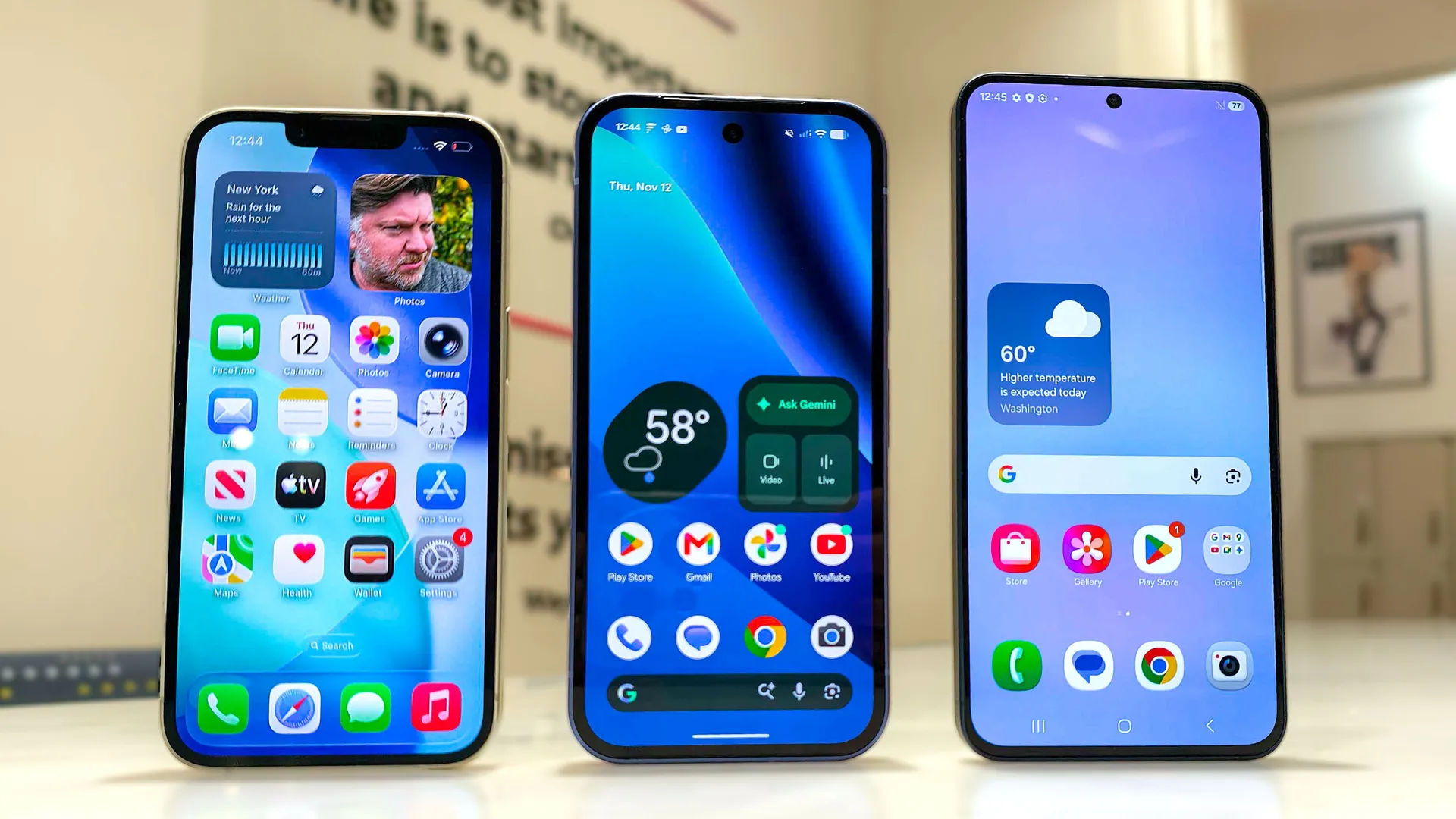
Just like most other consumer electronics, the price of mid-range phones has increased substantially over the course of the last year. They’re still largely considered "budget," especially when many of the best phones and best foldables easily cost $1,299+.
Mid-range phones quite simply offer the right balance between features and performance. For my next face-off, I’m putting the iPhone 17e, Pixel 10a, and Galaxy A57 to the test to tell you exactly which one’s worth getting if you have $700 to spend.
I’ve personally tested all three of them over the last six months, so I’ll tell you how their cameras perform, how fast they charge, how their batteries hold up, and what software features they offer.
iPhone 17e vs. Pixel 10a vs. Galaxy A57: Specifications
| Row 0 - Cell 0 | iPhone 17e |
Pixel 10a |
Galaxy A57 |
Price |
$699 |
$599 |
$599 |
Display |
6.1-inch OLED |
6.3-inch Actua pOLED |
6.7-inch, Super AMOLED Plus |
Refresh rate |
60Hz |
60-120Hz |
60-120Hz |
Rear cameras |
48MP (f1/6) main |
48MP (f/1.7) main, 13MP (f/2.2) ultrawide |
50MP (f/1.8) main, 12MP (f/2.2) ultrawide, 5MP (f/2.4) Macro |
Front cameras |
12MP (f/1.9) selfie |
13MP (f/2.2) |
12MP (f/2.2) |
Chipset |
Apple A19 |
Tensor G4 |
Exynos 1680 |
Storage |
256GB, 512GB |
128GB, 256GB |
128GB, 256GB |
Battery Size |
4,005 mAh |
5,100 mAh |
5,000 mAh |
Charging |
20W wired, 15W MagSafe wireless |
30W wired, 10W wireless |
45W wired, no wireless |
Water/dust resistance |
IP68 |
IP68 |
IP68 |
Size |
5.78 x 2.82 x 0.31 inches |
6.1 x 2.9 x 0.4 inches |
6.35 x 3.02 x 0.27 inches |
Weight |
5.96 ounces |
6.5 ounces |
6.3 ounces |
Colors |
Black, White, Soft Pink |
Lavender, Berry, Fog, Obsidian |
Awesome Navy, Awesome Gray, Awesome Iceblue |
iPhone 17e vs. Pixel 10a vs. Galaxy A57: Camera samples



Apple iPhone 17e
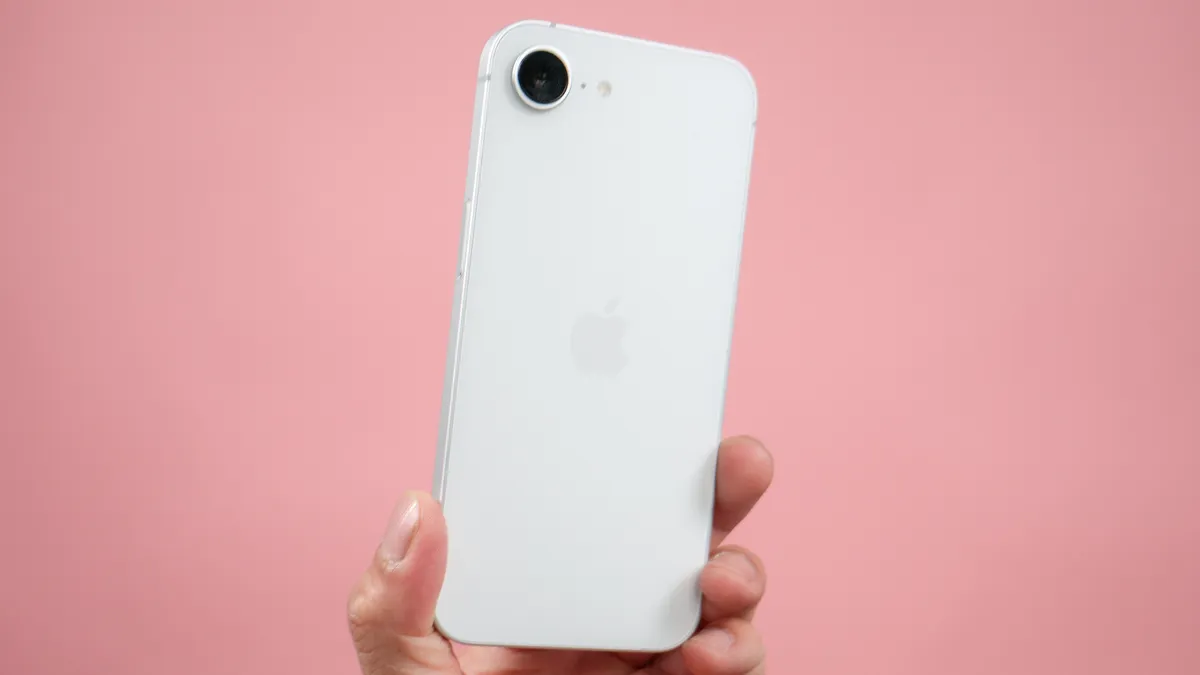


As I said in my review, “the iPhone 17e feels more like what the iPhone 16e should’ve been from the start.” It’s also the most affordable option in Apple’s lineup if you’re looking to spend as little as possible, offering a well-rounded experience that gets the job done.
Just as before, though, Apple’s kept just a single camera on the back — which is unheard of in an era where practically everything has a dual-camera setup. But despite this shortcoming, the iPhone 17e’s 48MP main camera performs brilliantly across challenging lighting conditions. From the sharp details and definition it pulls out, to how it neutralizes hotspots in bright scenes, it doesn’t disappoint. It’s also a master of low light, proving to me it’s the best camera phone of the bunch in terms of raw performance.
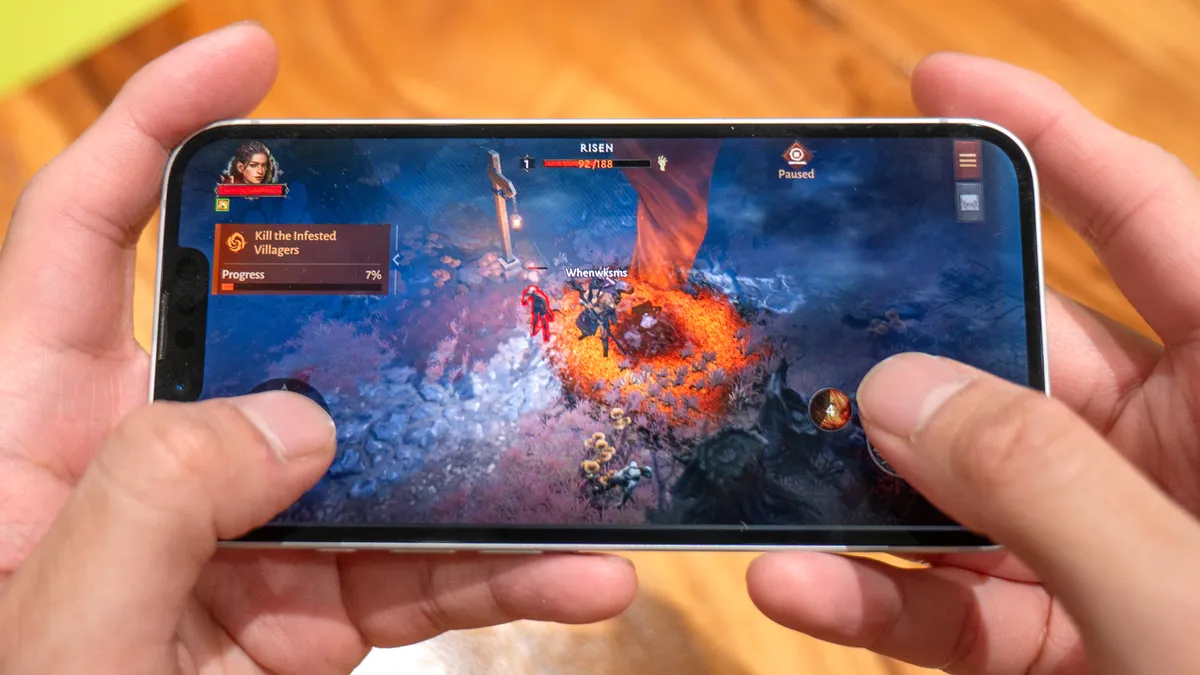
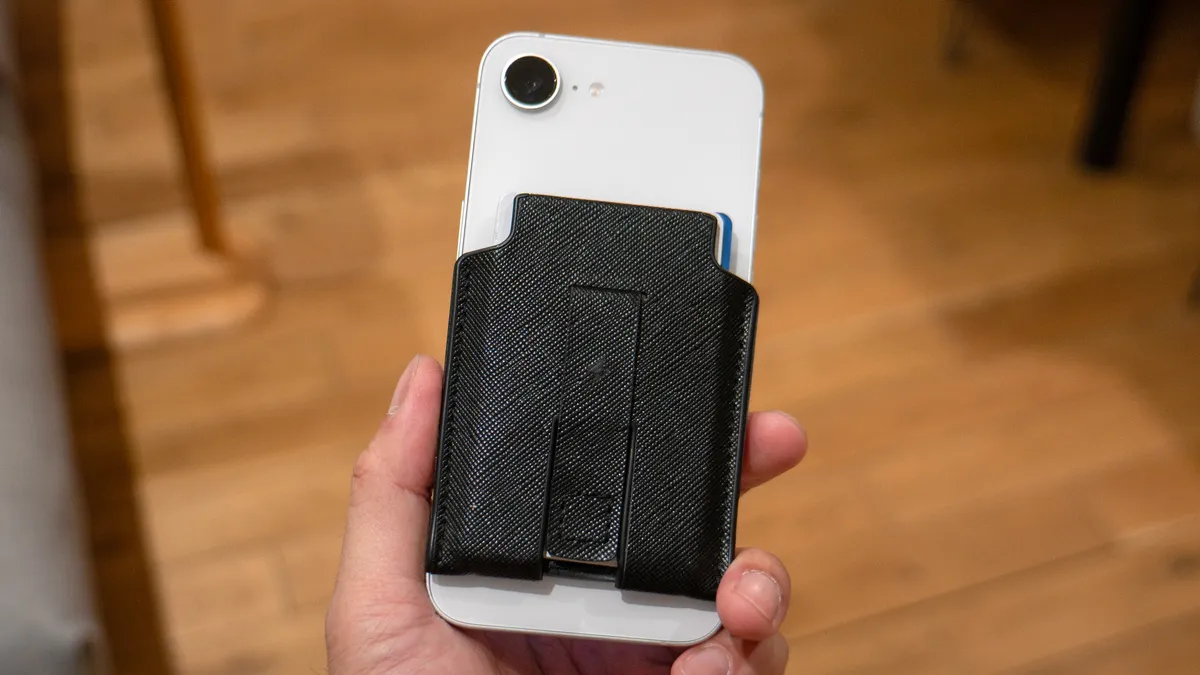
Under the hood, it’s easily the powerhouse of this trio. Thanks to Apple’s A19 silicon, the iPhone 17e delivers superior CPU and GPU performance that keeps everyday multitasking snappy and handles demanding, graphically-intensive games far better than its Android counterparts. I appreciate that Apple also made a couple of smart hardware upgrades — like bumping starting storage to a generous 256GB and finally adding MagSafe support.
That said, the iPhone 17e isn’t without a few glaring compromises. Holding onto a 60Hz display feels increasingly dated when 120Hz panels have become standard across the rest of the mid-range market — and the lack of an ultrawide camera means it’s not as suitable for sprawling landscapes and group photos.
And while iOS 27 brings some much-needed new features, like the ability to create custom passes and use generative AI with its Reframe tool to shift to a new perspective for photos, Siri AI remains functionally inferior compared to Gemini. While the assistant is more proactive with what I’m doing on the phone to offer actionable recommendations — like creating a reminder when someone texts me about an upcoming event — Siri AI lacks the deeper third-party app support that lets it work across more apps.
Worst of all, its recent price hike to $699 (up from its $599 launch price) makes those omissions much harder to overlook.
Google Pixel 10a
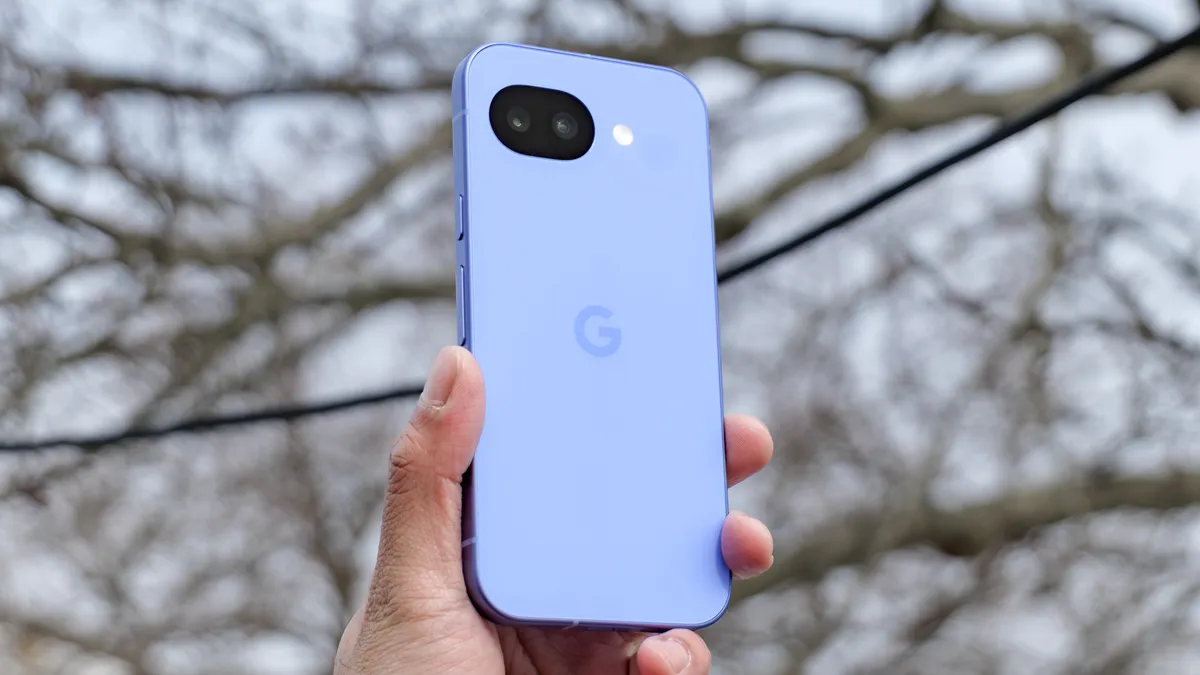


There’s good and bad with the Pixel 10a. Just like the iPhone 17e, the design makes it look like a generic slab — but at least Google’s made the camera housing completely flush and offers some fun color options. Despite these design tweaks, the phone is by and large similar to its predecessor, the Pixel 9a, including how it packs the same Tensor G4 chip as before.
Its 6.3-inch Actua display is surprisingly sharp and bright, besting its rivals with a peak brightness of 1,896 nits in our lab testing. Even better, it posted the longest battery life of the trio with an average of 15 hours and 16 minutes. Better yet, it also delivers the fastest wired charging times we’ve tested — reaching 64% in 30 minutes.
Where the Pixel 10a truly separates itself, though, is on the software front. Gemini remains leagues ahead of Siri AI and Bixby, especially in its ability to execute complex, multi-step actions across different apps. I’m not simply referring to asking it to check upcoming New York Knicks home games and add them to my calendar — I’m talking about everyday things like ordering Dunkin’ Donuts through DoorDash, all with a simple voice command.
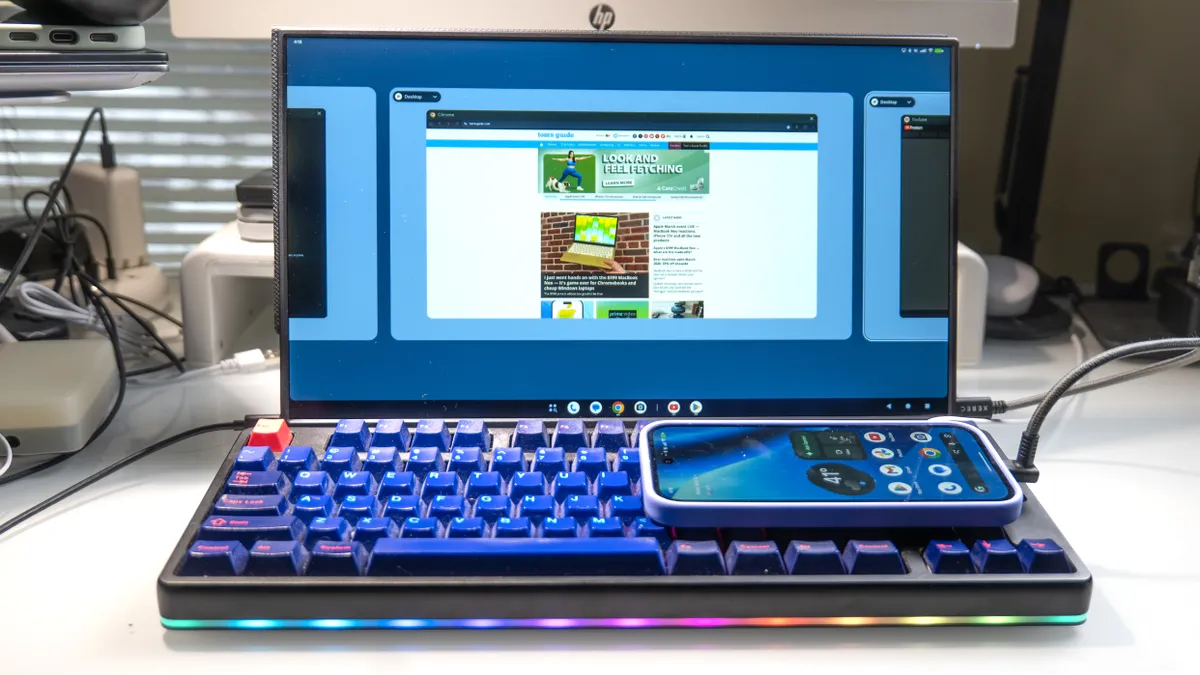
If that’s not enough, the Pixel 10a really widens the software divide with how practically the Pixel desktop mode works when I connect it to an external monitor, turning the phone into a surprisingly capable workstation when I happen to leave my work laptop at home. Even on the photography side, new AI tools like Auto Best Take and Camera Coach help you nail group shots and framing without any heavy lifting.
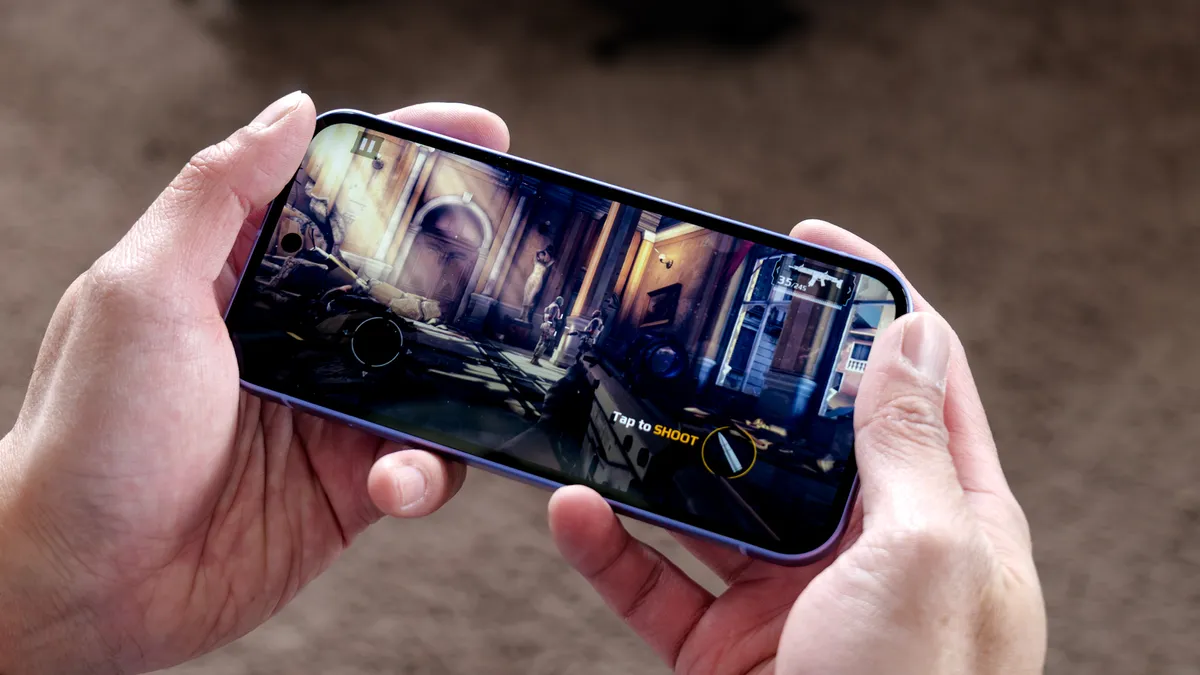
However, Google’s decision to reuse the same Tensor G4 chip as its predecessor puts it at a major disadvantage in raw CPU and GPU benchmarking compared to the iPhone 17e. And in 2026, having a base storage of 128GB feels stingy. Even though the camera performance is better than most other mid-range phones, I’m disappointed that there's barely any improvement over its predecessor — a tougher pill to swallow now that its $100 price hike has pushed it to $599.
Samsung Galaxy A57
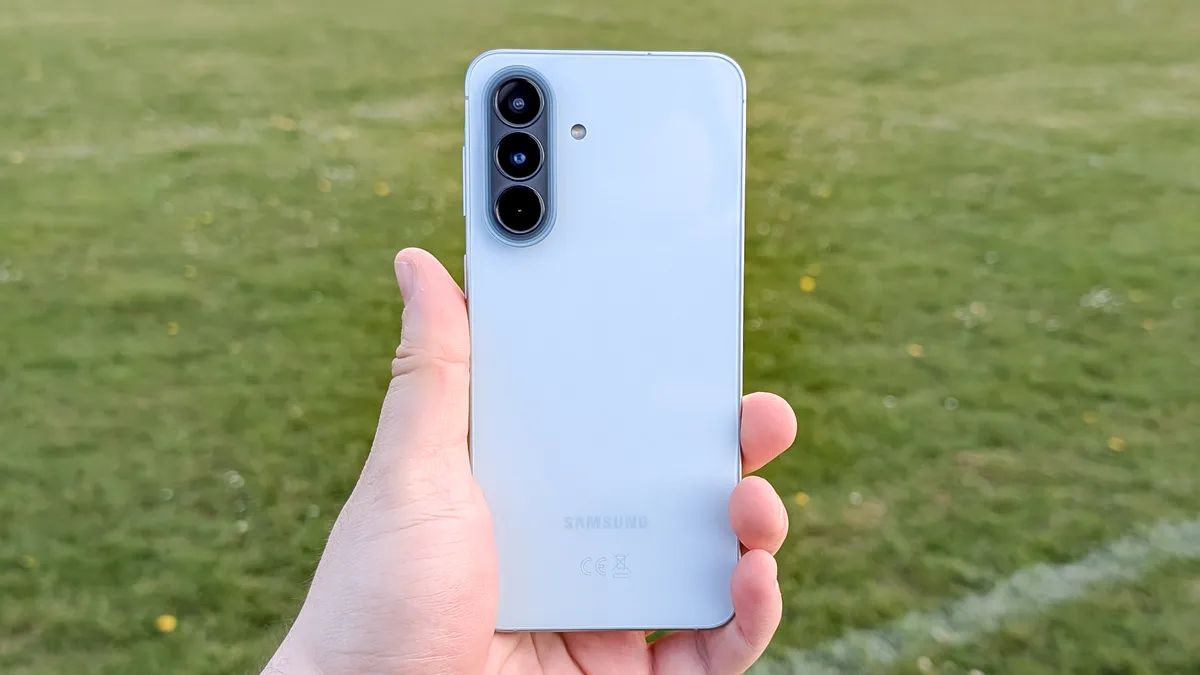


Out of the bunch, the Samsung Galaxy A57 has the most premium look and feel — rivaling its flagship sibling, the Galaxy S26. Not only does it combine the glass-meets-metal build Samsung’s known to give its top-tier models, but it also manages to have an IP68 rating.
If you prefer a phone with a larger screen to see more of what you’re doing or stream your favorite shows while on the go, the Galaxy A57’s massive 6.7-inch Super AMOLED display with a 120Hz refresh rate doesn’t disappoint. It’s way bigger than the 6.1- and 6.3-inch screens of the iPhone 17e and Pixel 10a, respectively.
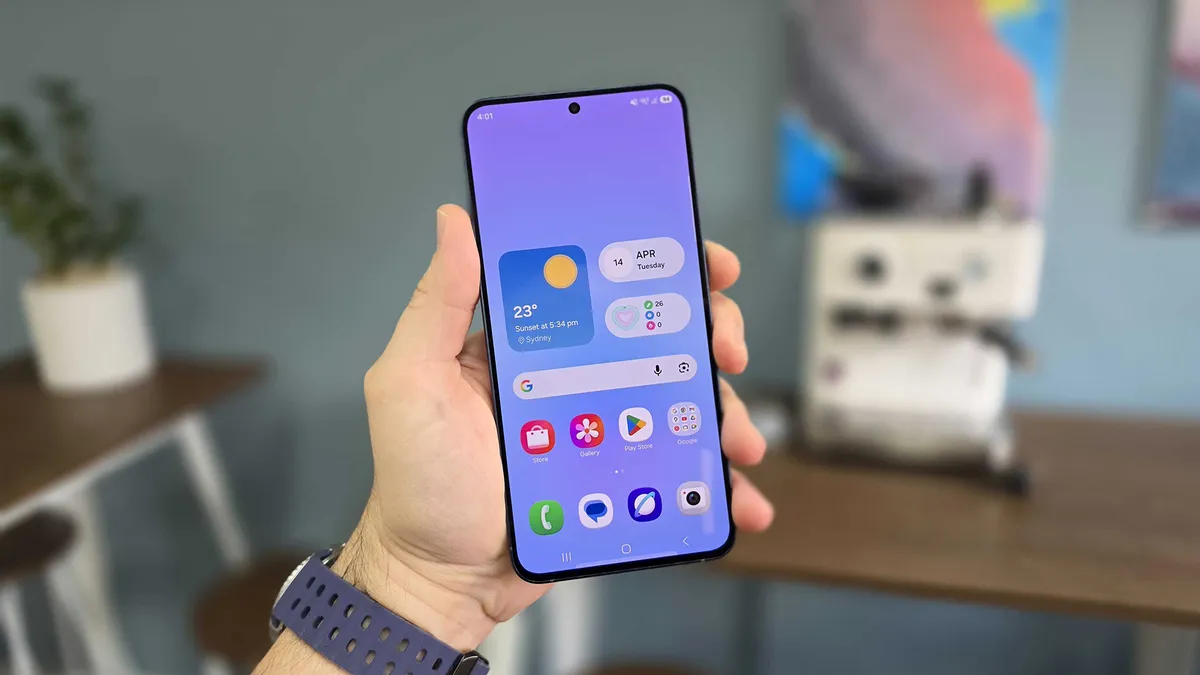
Another notable feature is how it’s the only phone in this trio to pack a triple-camera system on the back, pairing a 50MP main sensor with a 12MP ultrawide and a 5MP macro lens. While that dedicated macro shooter feels more like a forced addition just to give it the upper hand, having three distinct lenses nonetheless gives you extra shooting versatility that neither the iPhone 17e nor the Pixel 10a can match.
Throw in some S26-level Galaxy AI features — like access to object eraser and a voice transcription tool — and it has a robust toolset to help save you time. I also love how it caters to power users like myself, with the ability to run two apps side by side, which neither the iPhone 17e nor the Pixel 10a can do.

Where the Galaxy A57 stumbles, though, is under the hood. Powered by Samsung’s Exynos 1680 chip, it posted the lowest performance scores of the bunch in our testing, lagging behind both the Pixel 10a and especially the iPhone 17e. Worse yet, it doesn’t even have the luxury of wireless charging — a glaring omission, in my opinion, now that its $50 price hike has pushed the cost up to $599.
iPhone 17e vs. Pixel 10a vs. Galaxy A57: Benchmarks
iPhone 17e vs. Pixel 10a vs. Galaxy A57: Display tests
| Row 0 - Cell 0 | Peak brightness (nits) |
sRGB (%) |
DCI-P3 (%) |
Delta-E color accuracy (lower is better) |
iPhone 17e |
1,002 |
126.5 |
89.6 |
0.21 |
Pixel 10a |
1,896 |
134.9 (Adaptive) / 127 (Natural) |
95.5 (Adaptive) / 85.5 (Natural) |
0.26 (Adaptive) / 0.21 (Natural) |
Galaxy A57 |
1,495 |
138.8 (Vivid) / 122.5 (Natural) |
97.9 (Vivid) / 86.8 (Natural) |
0.27 (Vivid) / 0.26 (Natural) |
iPhone 17e vs. Pixel 10a vs. Galaxy A57: Performance tests
| Row 0 - Cell 0 | iPhone 17e |
Pixel 10a |
Galaxy A57 |
Chipset |
Apple A19 |
Tensor G4 |
Exynos 1680 |
Geekbench 6 (single-core/multi-core) |
3,606 / 9,229 |
1,694 / 4,501 |
1,385 / 4,508 |
3DMark Wild Life Original Unlimited (score/fps) |
18,533 / 110.9 |
9,746 / 58.49 |
6,475 / 38.78 |
iPhone 17e vs. Pixel 10a vs. Galaxy A57: Battery and charging tests
Average Battery life (Hrs:Mins) |
Charging % in 15 minutes |
Charging % in 30 minutes |
|
iPhone 17e |
12:35 |
31% |
59% |
Pixel 10a |
15:16 |
31% |
64% |
Galaxy A57 |
11:13 |
15% |
47% |
iPhone 17e vs. Pixel 10a vs. Galaxy A57: Bottom line
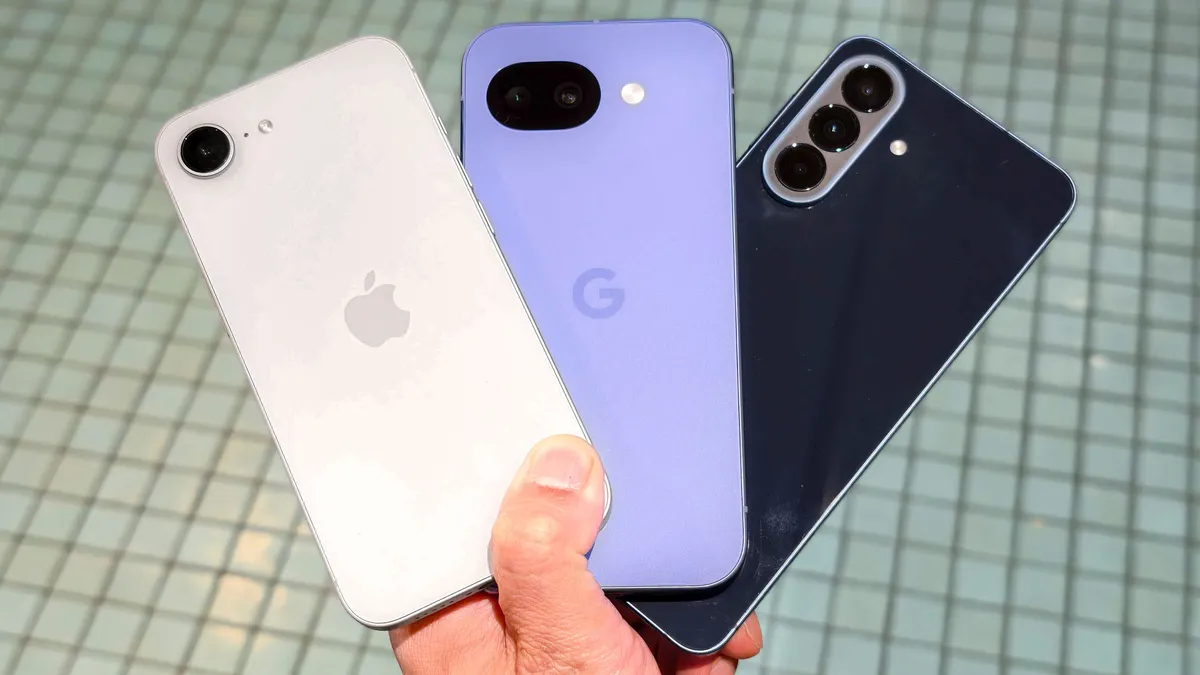
If there’s one I’d buy with my own money, it has to be the Pixel 10a — with the iPhone 17e not too far behind it. That’s because Google’s mid-range phone checks off more of the boxes on my list than the other two.
All three phones got price hikes, but the Pixel 10a’s $599 price tag is easier to swallow than the iPhone 17e’s heftier $699 cost. And while the Galaxy A57 matches the Pixel’s price point, its weak processing performance combined with flat camera results aren’t enough to prove to me it offers better value at the same price.
Ultimately, the Google Pixel 10a is the mid-range phone I recommend. I can’t stress enough the value of its software package alone — and backed up by seven years’ worth of major Android and security updates, it’s undeniably the smartest long-term investment you can make in the mid-range market right now.