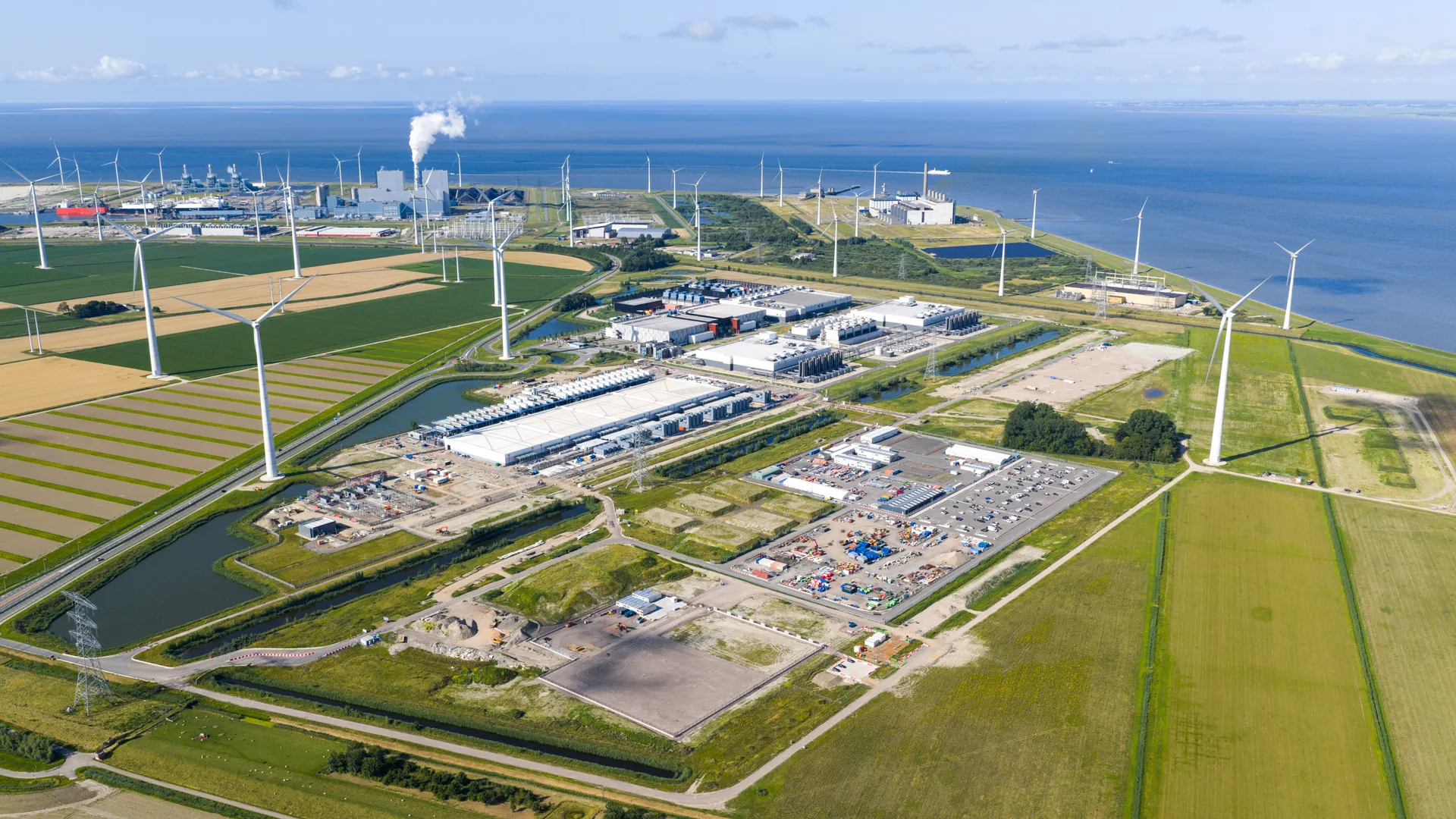
As AI drives demand for more computing power, the next wave of development is heading to America's neighborhoods.
According to an April 2026 Pew Research Center analysis, 67% of planned U.S. data centers are located in rural areas, compared with just 13% of facilities already operating. Perhaps more surprisingly, 39% of planned facilities are in counties that don't currently have a single data center.
For some states, AI data centers are even on the ballot this Election Day as communities that have never had to consider the effects of a massive computing facility, now could soon face questions about electricity costs, water supplies, noise and property values.
A new analysis from Jones & Swanson brings several of these concerns together, examining how America's expanding data center footprint could affect the people living nearby.
And while the findings raise legitimate questions about the costs of AI infrastructure, they also challenge one common assumption: Living near a data center doesn't necessarily mean your home will lose value.
What happens to your home's value when a data center moves in?
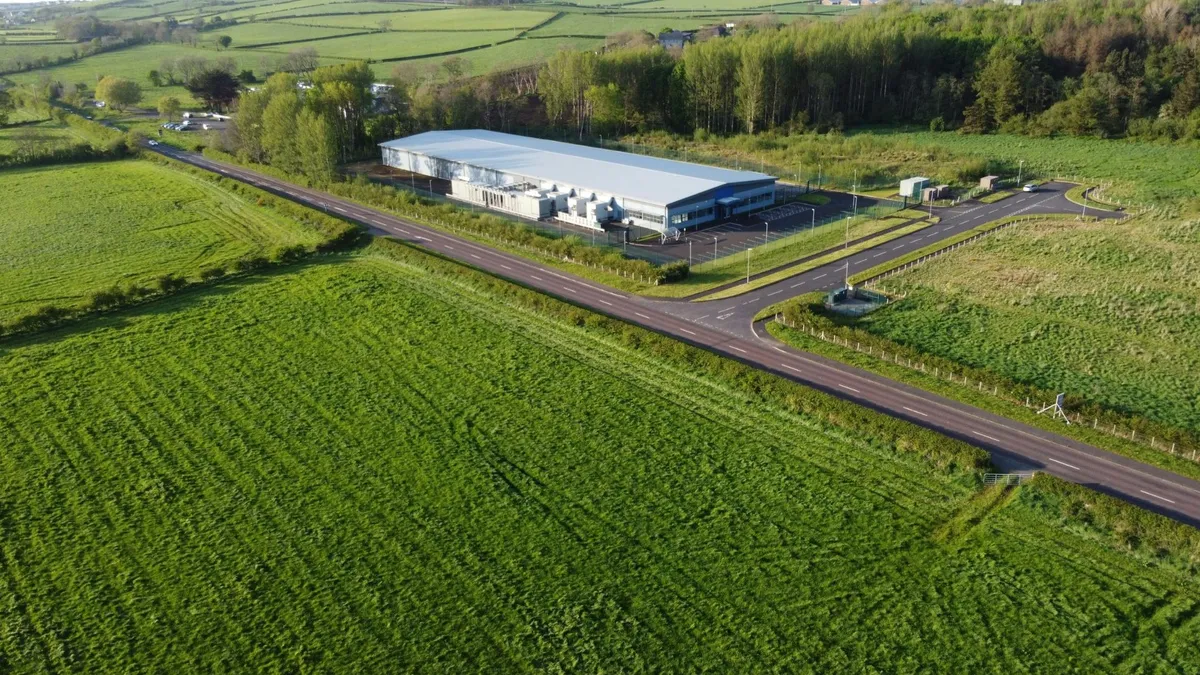
For homeowners, one of the biggest questions is whether a nearby data center will make their property less desirable.
The answer may be surprising. An August 2026 Realtor.com study examined 43 ZIP codes where large data centers opened between 2019 and 2025. Researchers compared those locations with similar neighborhoods that didn't receive a data center.
The analysis found no statistically significant difference in home price appreciation during the first two years after a facility opened. Oddly enough, homes near newly opened data centers generally gained value at roughly the same rate as comparable homes elsewhere.
Something to note, is that the study examined ZIP-code averages, rather than the experiences of individual properties. It also excluded Texas and 11 other states where transaction prices aren't publicly disclosed, and only tracked home prices for two years following a facility's opening.
Potential longer-term effects remain uncertain
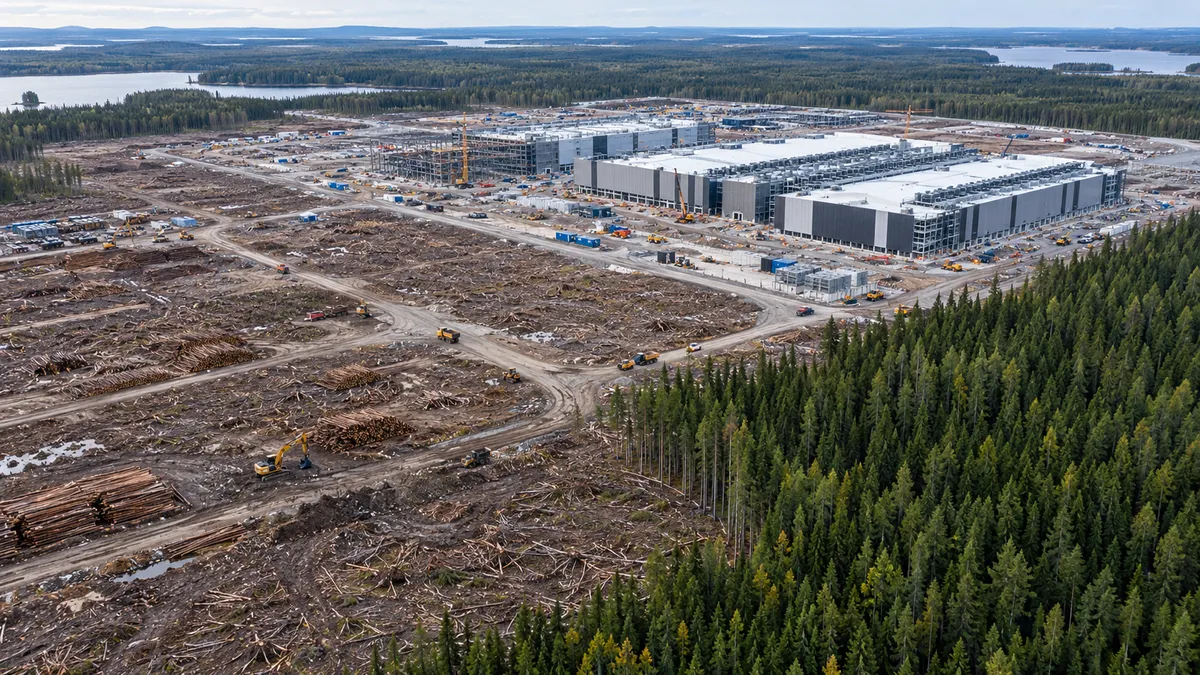
There's another reason this matters. Realtor.com found that the median large data center opening in 2026 was located in an area with just 32 residential housing units per square mile, down from 116 in 2017.
As data centers move into less densely populated areas, their impact on individual communities could look different from what researchers have observed so far.
The biggest financial concern may be your electricity bill. Even if a nearby data center doesn't reduce your home's value, there's another potential cost homeowners should consider: electricity.
These facilities need enormous amounts of power to run servers and keep their equipment cool. And as more data centers connect to the grid, utilities may need to build additional power plants, transmission lines and substations.
The question is who ultimately pays for those upgrades. A June 2026 report from Lawrence Berkeley National Laboratory estimates that data centers could account for 9.5% to 15.3% of total U.S. electricity consumption by 2030, with a central estimate of 11.8%. That's a substantial share of national electricity demand for one category of infrastructure..
Going beyond traditional tech hubs

Virginia remains America's data center capital, with 674 facilities listed as operating, under construction, planned or land-banked, according to the Jones & Swanson analysis. Texas follows with 537, while California has 296 and Georgia has 276.
The Pew Research Center found that 87% of existing data centers are in urban areas. The pipeline of proposed facilities looks almost completely different, with two-thirds planned for rural locations.
The South and Midwest account for approximately three-quarters of planned facilities, with the South alone representing 48%.
But despite all the water, energy and land use, it's worth remember that not every data center is dedicated to AI. These facilities support everything from cloud storage and websites to streaming services and, yes AI.
What happens before a data center is approved
If a data center is proposed near your home, there are several things worth investigating before local officials approve the project. Start with electricity costs. Ask your utility or local regulators whether new transmission lines, substations or generation capacity will be required and how those expenses will be allocated.
Water use is another important consideration. Developers should be able to explain where cooling water will come from, how much the facility expects to use and what happens if the community experiences a drought.
Residents can also ask about noise limits, backup generator testing, construction hours and whether landscaped buffers or other protections will separate the facility from nearby homes. Much of this information may be available through local zoning applications, planning board meetings, utility filings or environmental permit reviews.
It's also worth distinguishing between a project that has been proposed and one that has received all the necessary approvals. As the Pew research shows, a substantial portion of the country's future data center footprint remains in the planning stages.
The takeaway
America's AI boom is becoming a physical infrastructure boom, and its effects are reaching well beyond Silicon Valley and Northern Virginia. For homeowners, the latest research offers both reassurance and reasons to keep paying attention.
The evidence so far doesn't show that large data centers consistently reduce nearby home values, but questions about electricity costs, water demand, noise and infrastructure spending remain important, particularly as development moves into rural communities.

Follow Tom's Guide on Google News and add us as a preferred source to get our up-to-date news, analysis, and reviews in your feeds.
More from Tom's Guide
- I asked ChatGPT, Gemini, Claude and Perplexity if there really is an AI bubble and when it’s going to burst — and one compared it to the dot-com crash
- ChatGPT has a clever new way to fight back against election deepfakes — I tried it and it actually works
- A few tech leaders are rebranding AI as ‘superintelligence’ — calling it that doesn’t make it accurate