Elon Musk spent nearly half a billion dollars trying to help Republicans win the 2026 midterm elections. Instead, Democrats took control of both chambers of Congress, Texas elected a Democratic governor for the first time in more than three decades, and voters across the country backed new restrictions on AI data centers.
For Musk, those election results might have consequences beyond Washington since the billionaire has invested heavily in the infrastructure needed to power AI. Musk has massive data centers that support his Grok chatbot and agent Grok Bot and has built a significant part of his business empire in Texas. The incoming governor, Gina Hinojosa, has proposed a moratorium on new data center development, making her election particularly relevant to Musk's AI infrastructure expansion in Texas.
Nearly $500 million wasn't enough
Guess my election-interfering space lasers didn’t work this time 🤷♂️November 4, 2026
According to campaign finance reporting from The New York Times, Musk contributed approximately $474 million to political groups and candidates during the 2026 election cycle.
The money included roughly $216 million for his America PAC and $168 million for the Senate Leadership Fund, which backed Republican Senate candidates.
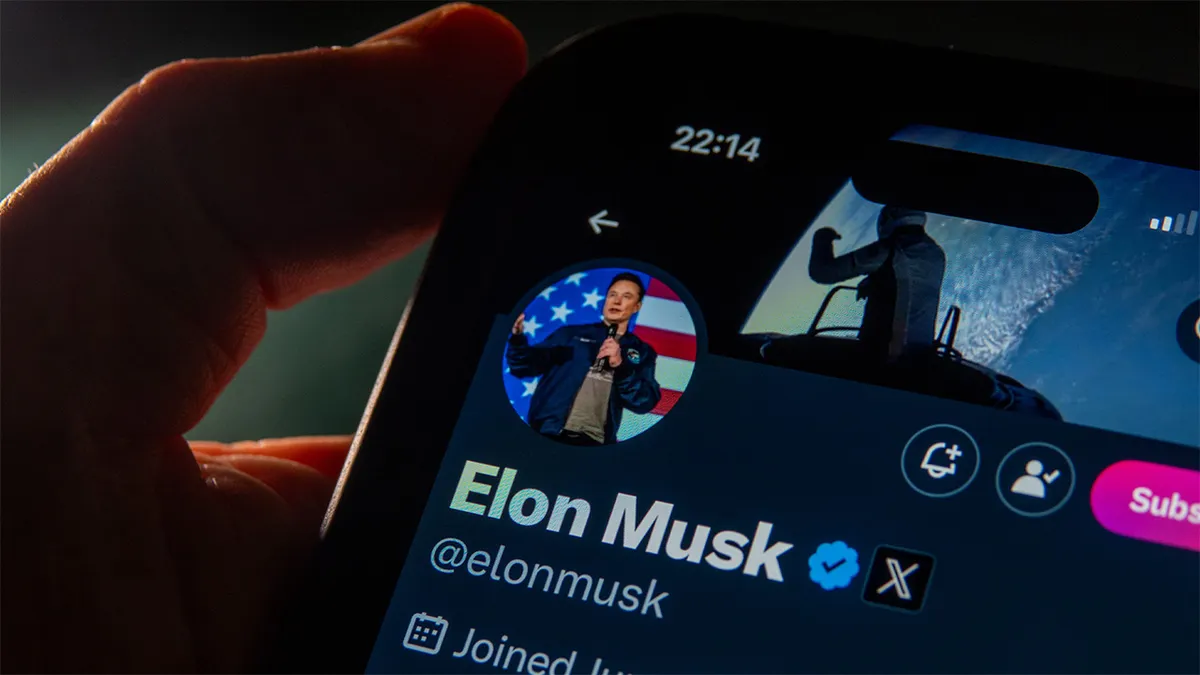
Musk appeared to acknowledge the losses early Wednesday morning, joking on X, "Guess my election-interfering space lasers didn't work this time."
Jokes aside, Hinojosa's win is significant since Musk has relocated major business operations to Texas, and SpaceX has plans to expand its computing infrastructure at its Starbase complex in Boca Chica.
According to Reuters, chip research firm SemiAnalysis has identified more than 9 gigawatts of planned or developing computing capacity associated with Musk's AI ambitions, including projects in Texas.
But companies planning new facilities may face longer approval processes, closer scrutiny of their electricity consumption and changes to the financial incentives that made Texas attractive in the first place.
Voters across America sent a message about data centers
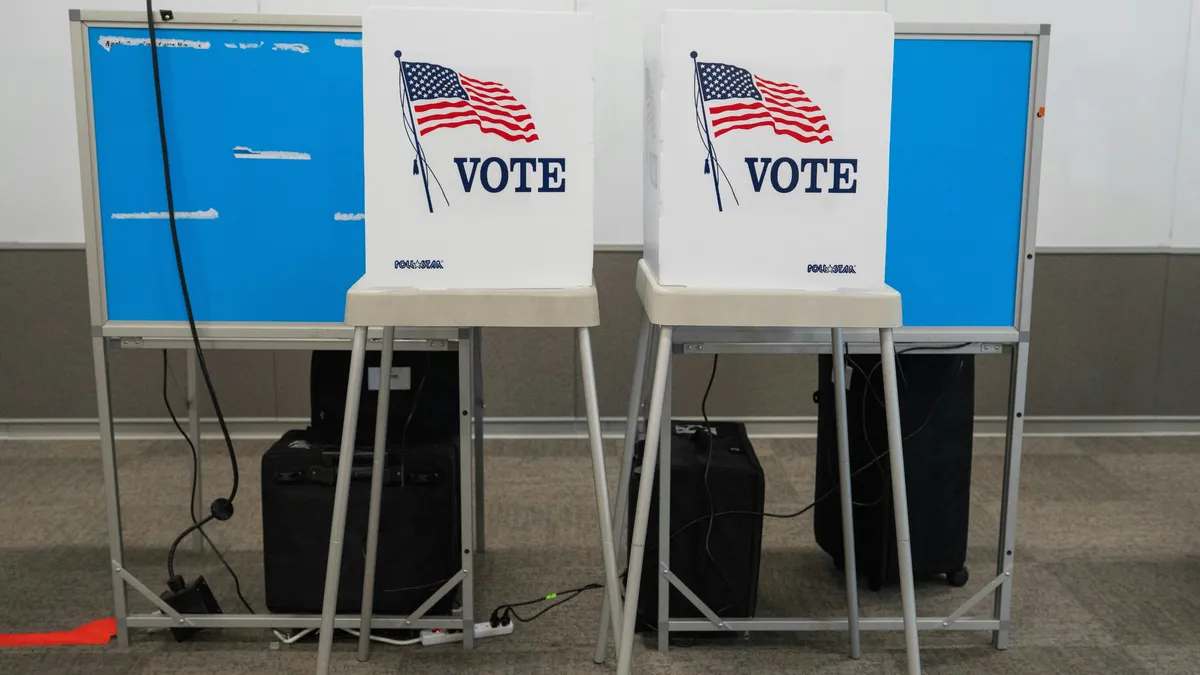
Musk's political losses coincided with a broader change in public attitudes toward data centers. According to The Verge's November 4 election analysis, 45 local ballot measures addressed data center development nationwide. By Wednesday morning, results from 33 favored restrictions on construction.
Those restrictions varied considerably. Some communities supported temporary construction moratoriums, while others voted to prohibit facilities above certain electricity-demand thresholds.
In El Dorado, Kansas, voters approved a 10-year ban on data centers with peak electrical demand exceeding 10 megawatts. In Wells, Maine, voters favored a temporary moratorium on large facilities.
The concerns driving these votes have become familiar to residents living near proposed data centers: electricity prices, water consumption, noise, pollution and the question of who should pay for expensive infrastructure upgrades.
An NBC News Election Day poll also found that 76% of respondents opposed having a data center in their community.
Musk's existing data centers already face legal challenges

The political shift aside, Musk's AI infrastructure was already facing challenges. Near Memphis, Tennessee, his company's Colossus data centers rely on enormous amounts of computing power to train and operate AI models.
The operation has also generated complaints from surrounding communities about the natural gas turbines used to provide electricity.
On October 30, a federal judge rejected a motion to dismiss a lawsuit brought by the NAACP over turbines operating in Southaven, Mississippi.
The lawsuit alleges that the turbines require air permits and expose nearby residents to harmful pollution.
These disputes are separate from Tuesday's election results, but they illustrate the regulatory and community opposition that can complicate even projects already under development.
What happens to Musk's AI plans now?
Musk's companies have already committed substantial resources to computing infrastructure, and demand for AI processing capacity continues to drive expansion across the industry.
But now Texas could introduce new restrictions on development and local communities now have more political support for proposed facilities. For consumers, we might see more protections against higher electricity bills, increased water consumption and pollution near data centers. But, none of those changes will happen overnight.
America's data center boom isn't ending, but the companies building the infrastructure behind AI may have a harder time expanding.

Follow Tom's Guide on Google News and add us as a preferred source to get our up-to-date news, analysis, and reviews in your feeds.
More from Tom's Guide
- Living near an AI data center might not hurt your home's value — here's what new research found
- ChatGPT has a clever new way to fight back against election deepfakes — I tried it and it actually works
- A few tech leaders are rebranding AI as ‘superintelligence’ — calling it that doesn’t make it accurate