

AI has become integrated into our lives whether we like it or not. Despite big tech forcing schools to choose and lawsuits highlighting its dangers, the controversial technology is here to stay.
New research published in Environmental Science & Technology puts specific AI concerns on a global map, highlighting 9,347 identified data centers, with roughly a quarter located in areas where water demand would exceed available supply for at least one month a year.
The water has to come from somewhere
Data centers use water to remove heat from their equipment. In evaporative cooling systems, some of that water evaporates rather than returning to the local water system. Electricity generation and hardware manufacturing add an indirect water footprint, too, according to the Pacific Institute.
Where and when that consumption happens matters. The institute warns that data center water demand peaks during hot, dry periods, when supplies may be constrained, and other users also need more. Meeting those peaks can require additional utility infrastructure and spending.
“They are landing on top of the water supply of cities and farms,” study lead author Lorenzo Rosa said in an American Chemical Society release.
That makes data center construction relevant to people who may never pay for an AI subscription. Before approving a facility, a community needs to understand whether its water system can accommodate a large new customer during a dry summer.
Cities and municipalities are the largest water users, accounting for nearly 41% of the facilities studied, while agriculture is the primary user, accounting for another 28%, according to the American Chemical Society.
A yearly average can miss the pressure
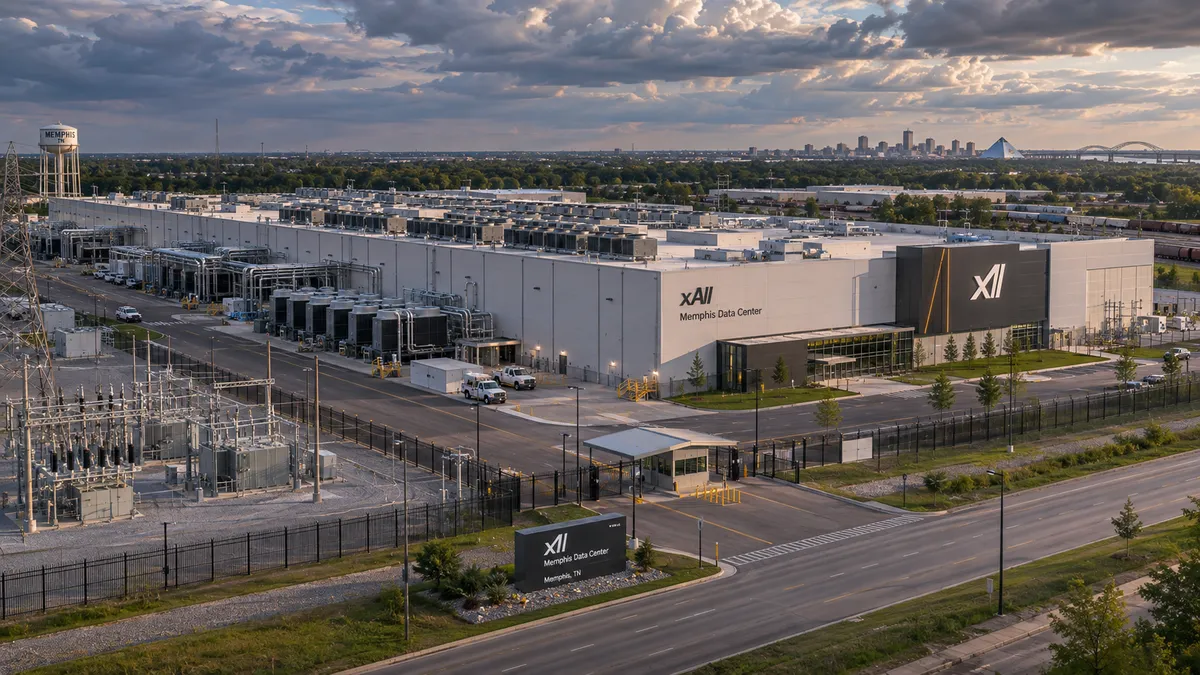
The Potomac River basin offers a useful example. An analysis by the Interstate Commission on the Potomac River Basin describes current average data center water consumption in the Washington metropolitan area as relatively small. Its estimated 2025 average was about 4 million gallons a day, with peak-day consumption of approximately 15 million gallons.
Cooling choices help explain the variation. Around 40% of facilities in the analysis rely exclusively on air cooling, while many others take advantage of cooler winter weather to reduce cooling demands. The commission cautions that approaches using less water often require more energy.
For residents, an annual consumption figure only answers part of the question. They also need to know how much water a facility could require during the hottest days, when local supplies may already be under pressure.
What communities deserve to know

The same global study also examined existing data center locations under a scenario of 3°C of global warming relative to around 1900. The share exposed to water shortages rose to roughly a third. That projection applies future climate conditions to the facilities identified in the study; it doesn’t account for where additional data centers might be built.
Better disclosure would make proposed projects easier to assess. The Pacific Institute identifies a lack of standardized reporting on data center size, location and water use as an obstacle for communities and water managers.
Residents deserve clear answers about a proposed facility’s water source, expected summer demand and plans for drought. They also deserve to know who would pay for any necessary infrastructure upgrades.
What communities can do now

If a data center is proposed near your home, get answers now. Start with your local planning board or water utility and ask where its cooling water would come from, how much it could use on the hottest days, and what would happen during a drought.
Be direct and ask who would pay for any water-system upgrades, too, and whether the operator would be required to make its water use public. Those details can help residents assess a project before approval.
To learn more about the infrastructure behind AI, start with Google’s data center water reporting or Microsoft’s local environmental fact sheets. These disclosures can help you understand water use where facilities operate, though they won’t tell you the footprint of your individual chats.

Follow Tom's Guide on Google News and add us as a preferred source to get our up-to-date news, analysis, and reviews in your feeds.
More from Tom's Guide
- Man sues OpenAI alleging ChatGPT helped his wife try to murder him: it's the 10th homicide the AI chatbot has been accused of abetting in less than two years
- A few tech leaders are rebranding AI as ‘superintelligence’ — calling it that doesn’t make it accurate
- A new bill could ban powerful AI in the US — here's what it means for ChatGPT