Peace lilies are unusually expressive plants. Rather than declining quietly, they broadcast their distress through drooping stems, wilting foliage, and shifting leaf color.
Of all their signals, yellowing leaves are among the most telling. Unlike brown leaves which usually trace back to harsh direct sun or chemicals in tap water, yellow leaves point to specific care imbalances that are straightforward to correct once you know what you're looking at.
Not all yellowing is cause for alarm. A few fading leaves at the base of an otherwise vibrant plant simply means the peace lily is cycling out older growth to fuel new development. What warrants attention is widespread yellowing across several leaves at once.
Peace lilies are remarkably forgiving, so if you catch the problem early and adjust your care routine, those deep green leaves will return quickly.
Read on to find out what's behind the yellowing, and exactly how to fix it.
1. You're watering incorrectly
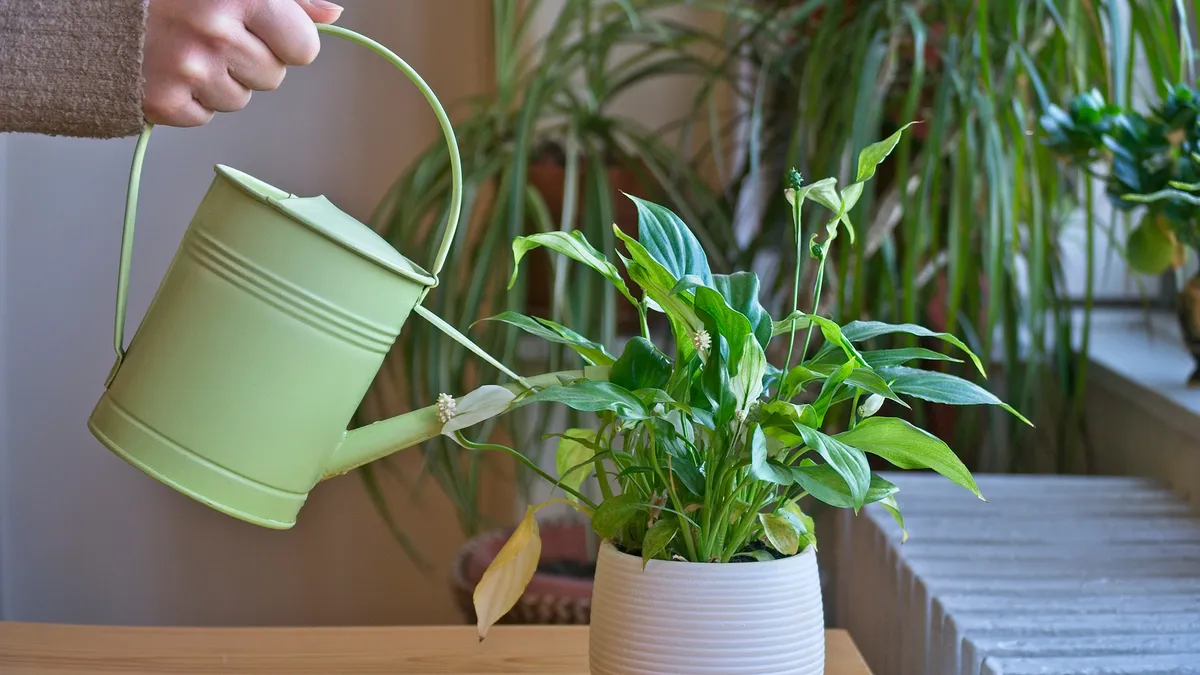
Peace lilies are tropical plants that love humidity, which tricks people into overwatering them. But soggy soil is their nemesis. When roots sit in constantly wet conditions, they can't access oxygen or nutrients properly, which causes leaves to yellow and droop. Overwatering also leads to root rot, which eventually kills the plant if not corrected.
The fix is letting the top half of the soil dry out completely between waterings. Stick your finger two inches into the soil — if it feels damp, wait. When you do water, water thoroughly until it drains from the bottom, then dump any excess from the saucer. Never let the plant sit in standing water.
Underwatering causes similar symptoms but for different reasons. If soil gets bone-dry repeatedly, roots shrivel and die back. When you finally water, the damaged roots can't absorb moisture properly, so leaves stay yellow and crispy despite being watered.
Peace lilies tolerate dry soil better than wet, but constant fluctuation between bone-dry and soaked stresses the plant. Consistency is key.
If possible, use distilled water or rainwater. If that's not practical, let tap water sit out overnight before using it — this reduces (though doesn't eliminate) some chemicals that can turn the color of the leaves.
2. The lighting is wrong for your plant's needs

Peace lilies evolved under jungle canopies where they received bright but filtered light. They need that same balance indoors. Too much direct sun bleaches and burns leaves, while too little light prevents photosynthesis and causes yellowing.
If your peace lily sits in a south or west-facing window getting direct afternoon sun, the leaves will start fading to pale yellow or even white as they burn. Move the plant a few feet back from the window or to an east-facing window that gets gentler morning light. If you only have bright windows, hang a sheer curtain to diffuse the intensity.
On the flip side, peace lilies stuck in dim corners can't produce enough energy through photosynthesis. The plant responds by yellowing older leaves first, then newer growth, and it won't produce those signature white blooms.
Move it closer to a window where it gets bright indirect light for most of the day. You'll know you've found the right spot when new leaves emerge dark green and glossy.
3. Your peace lily needs nutrients
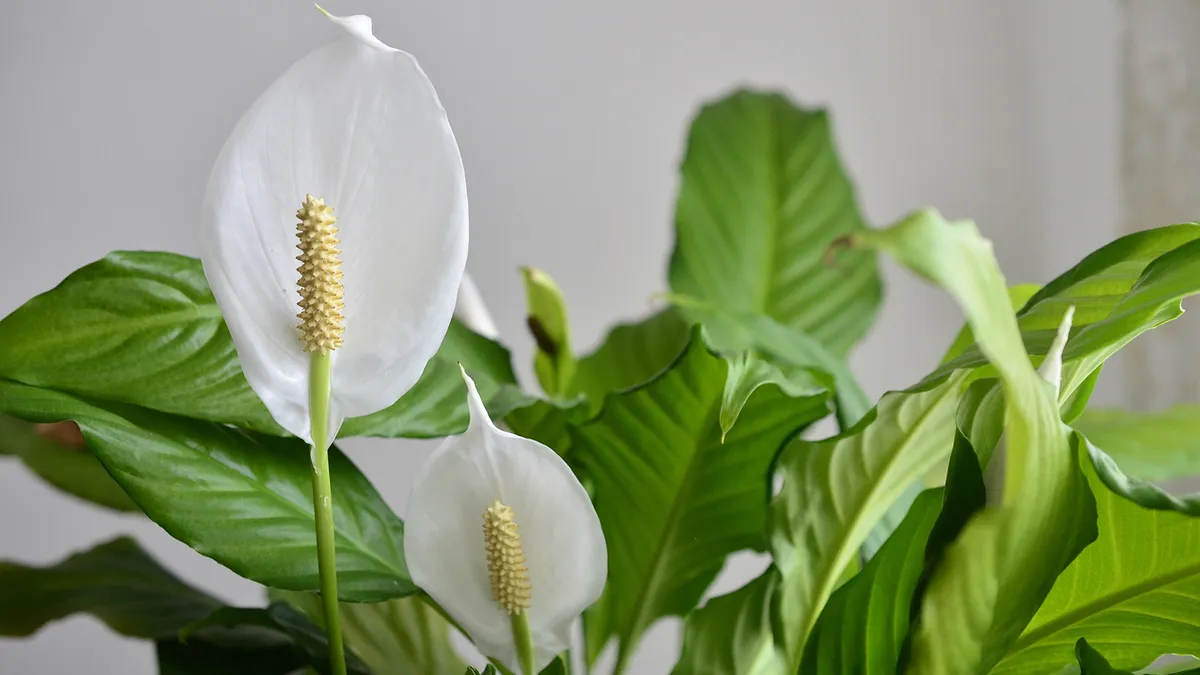
If watering and light seem fine but yellowing persists, especially if the areas between leaf veins turn yellow while veins stay green, your peace lily probably needs fertilizer. This pattern indicates chlorosis, a nutrient deficiency usually involving nitrogen, iron, or magnesium.
Feed your peace lily every 6 weeks during spring and summer when it's actively growing. Use a balanced houseplant fertilizer diluted to half strength. Stop fertilizing completely in fall and winter when growth naturally slows. Over-fertilizing causes more problems than under-fertilizing, so when in doubt, use less.
If you haven't fertilized in over a year and the plant shows the vein-pattern yellowing, give it a dose of fertilizer and watch for improvement over the next few weeks. New growth should emerge green and healthy.
You might be interested in trying a homemade fertilizer made using a leftover kitchen scrap, which is a secret ingredient to beautiful peace lily flowers.

Follow Tom's Guide on Google News and add us as a preferred source to get our up-to-date news, analysis, and reviews in your feeds. Make sure to click the Follow button!
More from Tom's Guide