Club Benefits





You are now subscribed
Your newsletter sign-up was successful
Want to add more newsletters?

Daily (Mon-Sun)
Tom's Guide Daily
Sign up to get the latest updates on all of your favorite content! From cutting-edge tech news and the hottest streaming buzz to unbeatable deals on the best products and in-depth reviews, we’ve got you covered.

Weekly on Thursday
Tom's AI Guide
Be AI savvy with your weekly newsletter summing up all the biggest AI news you need to know. Plus, analysis from our AI editor and tips on how to use the latest AI tools!

Weekly on Friday
Tom's iGuide
Unlock the vast world of Apple news straight to your inbox. With coverage on everything from exciting product launches to essential software updates, this is your go-to source for the latest updates on all the best Apple content.

Weekly on Monday
Tom's Streaming Guide
Our weekly newsletter is expertly crafted to immerse you in the world of streaming. Stay updated on the latest releases and our top recommendations across your favorite streaming platforms.
Join the club
Get full access to premium articles, exclusive features and a growing list of member rewards.
Back in May, at the Google I/O developer conference, Google announced that it was working on a new AI assistant it dubbed “Project Astra”. Astra is designed to be a universal AI agent for everyday life, with the ability to utilize your phone’s camera and voice recognition software to aid you. All while understanding commands and responding like a real human being.
Google originally promised that Astra would come to Google’s Gemini app sometime “later this year”. That timeline has now been moved to sometime in 2025, with Google CEO Sundar Pichai confirming the news during the Q3 earnings call for parent company Alphabet.
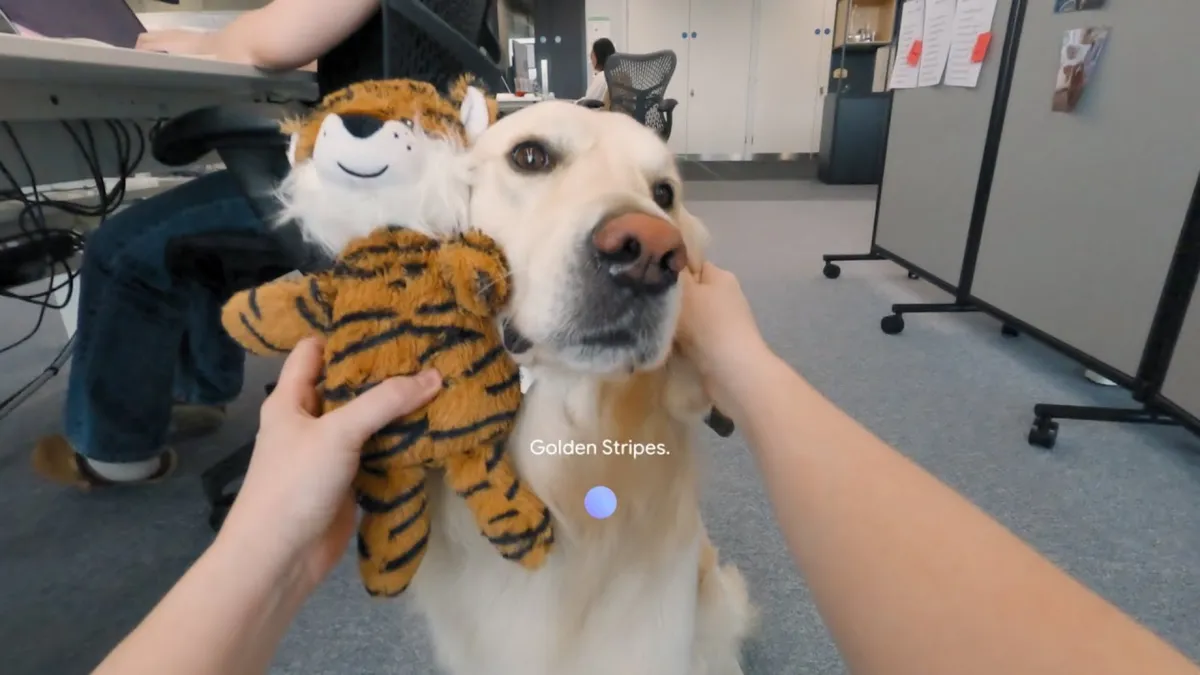
Considering Apple is set to release its own camera-based AI tool, called Visual Intelligence, to iPhone 16 at some point in December, you’d hope that Google would be hustling to avoid lengthy delays.
The use of the word “experiences” also suggests that there may be more to Project Astra than the camera-centric mode. However Pichai could also be referring to the fact Astra will be available on Android phones and smart glasses — which will likely offer very manifestations of what Astra can do.
Google’s AI ambitions don’t start and end with Astra, though. Pichai also says that Google’s teams are “actively working on performance improvements and new capabilities for our range of models.” He also confirmed that a third generation Gemini Model, likely Gemini 2.0, is “progressing well”, but didn’t offer any additional details. Rumor is that Gemini 2.0 could be announced as soon as December, which would mean there’s at least some good AI news coming before the end of the year.
As for the rest of Google’s services, and their eventual integration with AI, Pichai said that there’s an “aggressive roadmap ahead for 2025”. So expect Gemini and other Google AI features to spread rather rapidly over the next 12-14 months.
More from Tom's Guide
- Google Pixel 9a leak reveals a bigger, faster, more efficient mid-range phone
- Android 16 could reverse this controversial decision — what you need to know
- No more Galaxy? — Samsung just tipped to rebrand its flagship phones